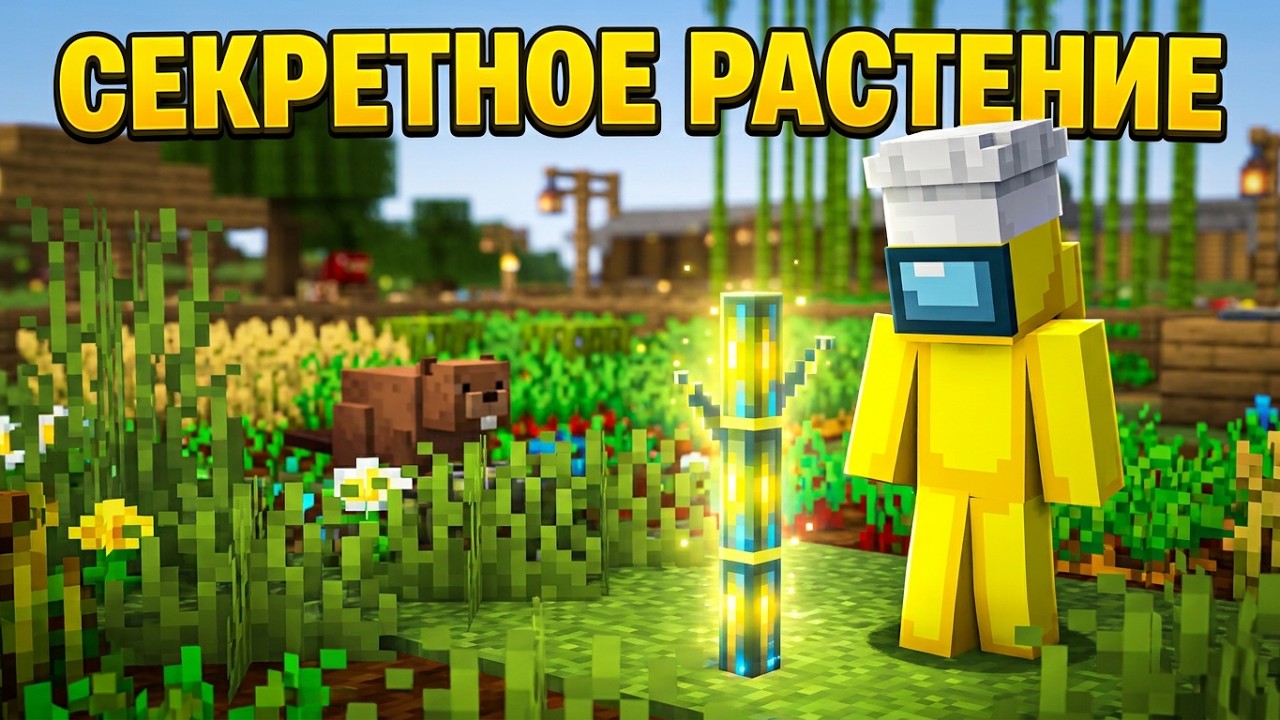
Grow a Garden in Minecraft is the garden series of the Maxx Storm channel team: the participants split a starting area into plots, dig, plant and sell harvest for coins, then immediately reinvest the earnings into seeds, saplings and gear. Let’s say it up front: this is the channel server’s mechanic, inspired by the Roblox game Grow a Garden — the cubic world here works as an economic sandbox, not regular survival. It’s addictive because of the living money: prices shift with store updates, and the neighbors trade, argue and build schemes. Below — the series’ rules, what the garden economy is made of, which tactics bring coins, and which episodes to start with.
The point of the series: your own garden, a shared mine and coins
Everything starts with a land division: the team announces who sits where, and everyone marks their plot with a sign — “this is my garden”. Then a shared start in the mine: everyone runs there to mine wood, stone, iron and diamonds, and the resources are split like brothers — some chop sticks, others smelt iron, a third hauls stone for the whole squad. The mine comes “with surprises”: uninvited guests like silverfish crawl out of the blocks, and everyone has to run at once.
The key tool here is the hoe: it needs sticks, iron and diamonds, so the first diamonds in the series go not into a pickaxe but into garden beds. Next to the gardens, the team set up an infinite water source — scoop and pour, just don’t take from the edges. Then the economy starts itself: harvest is sold to the store for coins, coins go into new seeds, saplings (they even sell a spruce there) and a backpack.
The mechanics: what the garden economy is made of
If you lay a gardener’s profit out into parts, it looks like this:
- Harvest and coins. Everything that grows is sold to the store for coins: pumpkin seeds cost 16 coins, though the arguing participants confidently named 24 too.
- Weather as a boost. Rain noticeably speeds up growth: the heroes themselves noted that the carrot “started growing so fast” exactly under the rain.
- Harvest processing. Part of the harvest goes into blocks: watermelons combine into a whole melon block in the crafting table — easier to carry your earnings and trade with neighbors.
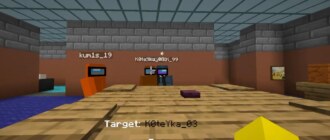
- Store updates. In the third episode the store got shaken up: watermelons were nerfed and almost stopped paying, hot peppers were removed entirely, but cucumbers appeared, and a blueberry came as a gift — you can’t sell it, only grow it.
- The resource base. The mine resets from time to time — “run, everybody” — and for coins the store sells saplings, a backpack and other conveniences for expanding the business.
- Player-to-player barter. Part of the turnover lives past the store: hats swap for hats, seeds for pizza, a rare plant for a mountain of coins.
The garden beds have pleasant surprises too: one of the neighbors turned out to have fertile soil, and the whole squad ran over to look at it. The economy is alive: yesterday watermelons paid — today watermelons got nerfed, and the cucumber became the king of the field.
Tactics: how to squeeze the most coins out of your beds
Over a few episodes the team built a set of working schemes worth copying for any newcomer to the series:
- Catch the trend. After the update cucumbers “rule”: one neighbor bragged that his garden brings 64 stacks of coins at a time, and the player who switched to cucumbers first beat everyone. Saw a trend — replant, before the crop gets nerfed.
- Rare — for barter, not the store. The store pays little for bamboo, while between players people asked three stacks of coins apiece: a rare plant is valued in barter precisely because only a couple of people on the server have it.
- Don’t bet everything on one crop. When the cucumbers ran out, “the business had to close” and the next crop became an urgent question. Different beds insure you against a price collapse.
- Make friends and trade. Swapping hats and seeds saves coins: the deal “you give me the yellow one — I give you the black one” is valued in the series no less than the harvest.
- Schemes are allowed. One episode was built around the operation “distract the richest guy”: while Krofiksa is entertained with a coin-flip game, the others plant his beds with their own seeds. Rivalry here is part of the fun.
A separate plotline — the spontaneous business right in the mine: two participants opened a watermelon-and-wood shop there, prompting Max’s question about who exactly would buy watermelons in a mine. Demand, as it turned out, always exists.
Where to start watching
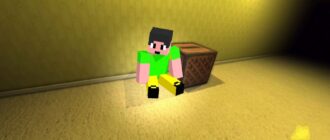
Start with the episode where the team is just mastering the gardens: the land division, the first hoes, the infinite water source — that’s the second video in the article. Then watch the store-update episode (it opens the article): watermelons nerfed, cucumbers took off, bamboo turned into barter currency. After that — the team’s other projects on the channel and team page. For comparison, look into the collection of popular Minecraft servers in Russia and the rules of the mob hide-and-seek series — there the same company hides instead of trading.
Repeating the series at home isn’t hard. Split the territory into plots and require a name sign on each, introduce coins as the only currency and a store with a permanent assortment. Update the store regularly: tweak prices and the item mix so the meta doesn’t stagnate — that’s exactly how cucumbers took off and watermelons “broke” in the series. Add a resource loop: a mine with surprises and a periodic reset, plus saplings, a backpack and tools for coins. And be sure to leave room for barter between players: rare plants, hat swaps and neighbor-distraction schemes make the economy alive.