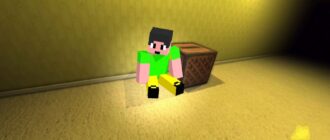
The Maxx Storm channel has a special format — nostalgia day: the team pulls an old rubric out of the archive and reassembles it, with the former rules and a fresh cast. In two episodes of last year you can see how it works in practice: first the team game in the spirit of Among Us returned after a break, and closer to winter the cast replayed a run from the rubric “5 ways to betray my friends”, which by then had turned three. We’ll break down by parts how both returns work, which roles and mechanics appeared in them and why the “return” format works at all.
What nostalgia day is and how Among Us returned
The idea is simple: a favorite rubric goes on pause, and then returns in one episode — without long announcements, just back in the ranks. That’s what happened with among-hide-and-seek: the round gathered eleven people — the team had never had that many, and it immediately became a record. Roles were found for every taste: peaceful ones, three traitors, a sheriff, a doctor, an engineer and even a jester — the one who wins if he gets voted out. A separate test was the trapper: Max fell into a trap that, by the players’ words, is almost impossible to pass. Techniques were added too: a bomb, mines and local stories like the mysterious goose that followed everybody around all round. The rounds quickly grew into investigations and ended with the phrase “part one is done” — a continuation was planned right away. Separately valuable is that the return doesn’t cancel the rules: the team plays strictly by the canon, and the whole charm is how familiar schemes live with a new cast.
“5 ways to betray my friends”: the run with ten lives
The second return is a rubric three years old, framed as a deadly run: two runners against a killer, but with a reserve of ten lives for each runner. The balance came out lenient — and, as they joked in the episode, it was made exactly for such cases: Grepa managed to say goodbye to his lives even with such a reserve. Then — superpowers, guardian bees on the traps and a “choose-a-sight” mode called “The Beaver speaks”: the beaver calls out colors — red, yellow, orange, black, purple — and the players must react in time, which isn’t easy on adrenaline. The finale was TNT Run: running across collapsing floors and an attempt to pull off one prepared bug that in the end didn’t work.
The mechanics of a return: what a successful retro episode is made of
- Honest presentation. The title says outright that the rubric is old: nostalgia works when it doesn’t pretend to be a novelty.
- Fresh roles. New characters are added to the old rules — the jester, the trapper, the sheriff — so the familiar scheme plays differently.
- Familiar faces. Lyokha, Anya, Grepa and the rest create a feeling of a class reunion.
- A roster record. Eleven people in one round — an event discussed separately from the gameplay.
- Splitting into parts. “Part one” at the finale turns a one-off episode into a mini-series and holds the interest.
Where to start watching
Start with the Among Us return — it’s more compact and better shows how the team plays the roles. Then watch the run with ten lives: it’s longer and assembled from mini-games. Both episodes are handy as a presentation sample too: nostalgia in them isn’t pompous but working — through roles, records and a promise of continuation. Both rubrics’ rules are broken down in detail on the site: the piece about the Among Us rubric in Minecraft and the guide about how to play Among Us in the cubic world. The general portrait of the team and its formats — in the piece about the Maxx Storm channel.
The format can be repeated on any server. Pick a rubric you haven’t played in a long time and run it “like before”: the former maps, the former roles, but a new cast. The round setup is the main step: mark the limits in advance (how many traitors, how many lives the runners have), assemble the participants list and add one or two new roles so the old scheme plays again. The announcement build is simple too: in the title honestly say the rubric is coming back, name its age and promise a continuation if the round lands. And keep a pause between returns: scarcity makes nostalgia brighter.