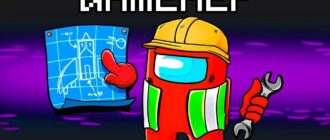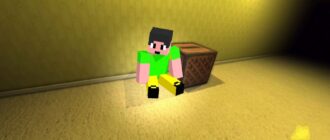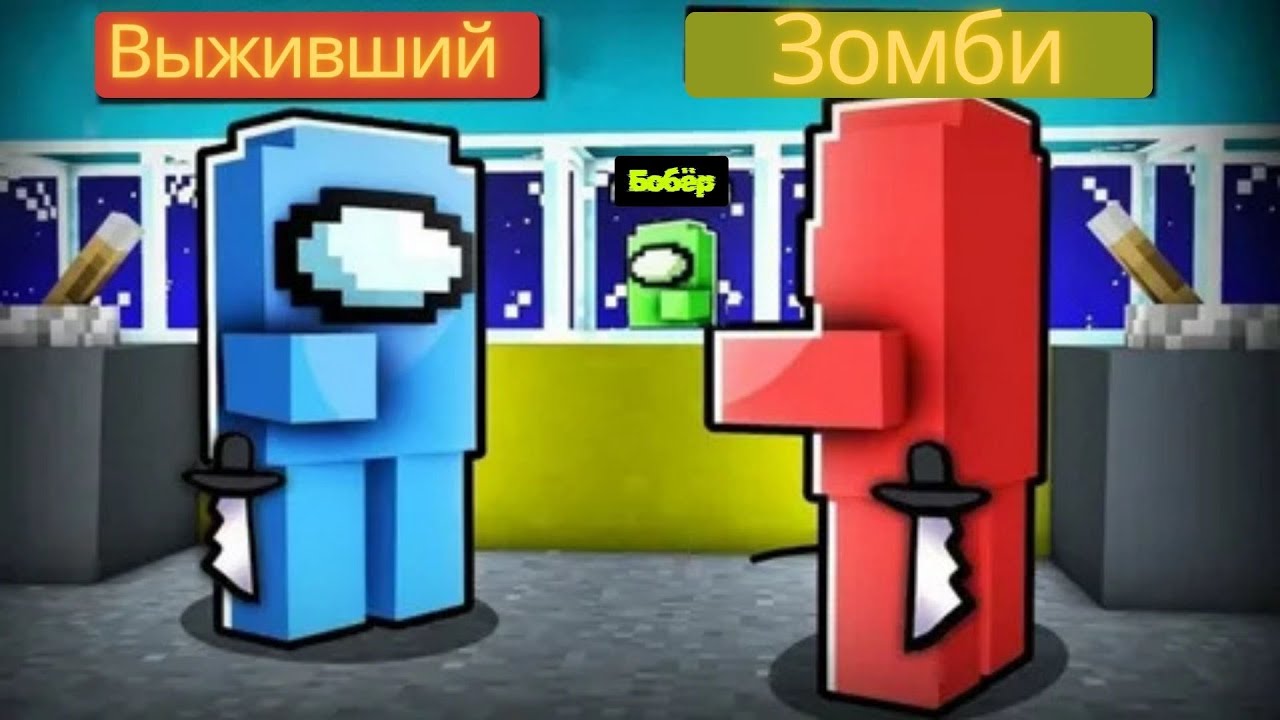
A new mode appeared in the Among Us series on the Maxx Storm channel server — “zombie infection”: instead of a lone impostor, the infection spreads by touch, and with every minute there are more impostors. The match runs on the Mira HQ map from the classic game, where the team hides in mazes and nooks while the zombies methodically comb the corridors. We break down the mode’s rules, survival tactics and the main incidents of the premiere episode — from betrayed covers to tagging through the wall.
The mode’s point: tag someone — they become a zombie
Every round starts with the question “who’s not with us?”: the absence of one of the players in the chat is the first hint of who became the first zombie. Then the rules are simple: the survivors hide and wait out the timer, the zombies tag by touch, and every tagged player joins their side. The infected get a glow visible on the skin, so an attentive player can spot a zombie in the crowd — if, of course, they haven’t already muted their microphone and stopped giving themselves away by talking. The round is won either by the survivors who lasted to the end of the timer or by the zombies who tagged everyone — and in one round they did so undisputed.
The mechanics: what a round is made of
- The map. Mira HQ is reworked for the mode: the maze is noticeably redesigned, with the blooming department, reactor, med bay, spawn, balcony and tunnels locked separately.
- Nooks. Universal spots you can’t get into without map knowledge, plus little snow piles where it’s easy to hide and hard to be found.
- Doors. Some doors open only from the inside, and you can’t approach them closely: the zombie behind the door tags through the wall, and it became the rounds’ signature scandal.
- The mute. The team mutes microphones and simply sits quietly: “they don’t even suspect I’m not there anymore” — the classic line of a survivor who managed to slip into the shadows.
- Updates between rounds. The map is refined on the fly, and the familiar blooming garden becomes noticeably harder to hide in by the next round.
Survival tactics
Tips from the episodes themselves. Move as a group and take a nook with the whole lineup — loners are found faster. Stay silent and mute: conversations betrayed more than one match, and one of the heroes even blurted out someone else’s cover and got the “hider” label for the whole season. Don’t approach suspicious doors closely and don’t relax near the end of the timer: most failures happen in the last seconds when the survivors leave their covers. And change nooks between rounds — the team learns old places faster than you think.
How the mode differs from classic Among Us
In a classic match the impostor is alone and hides behind tasks and votes; here the impostors grow every minute, tasks are replaced by covers, and discussion — by silence and mutes. The tension grows not from the crew meeting but from the sound of steps behind the door and from the question “who’s not with us?”, which sounds more alarming with every round. There are many rounds at that: the team played a run of eight matches in a row, and each had a new arrangement of covers and new zombies.
Where to start watching
Start with the episode above — the mode’s premiere shows all the mechanics on a live match. Then go deeper into the theme: the Among Us in Minecraft series will tell how everything works overall, the roles catalog will help sort out the roles, and the breakdown of the match with the best impostor will show how the one who started on the infection’s side survives.
To repeat the mode on your server, start from the episode’s observations. Take a map with a maze and several locked zones — the blooming department, the reactor, the med bay — and mark the doors that open only from the inside: they create the suspense at the threshold. Give the first zombie a glow visible on the skin but not shouting, and forbid them to speak in chat in the first minutes. Set a round timer and a touch rule: the tagged one changes side and color. Between rounds change the block layout — the channel’s team edits the map on the fly, and that’s exactly what keeps players from memorizing covers. And the most important — watch the players’ mutes, otherwise all the beauty of silence disappears.