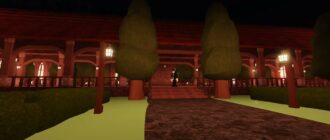
A retrospective of the rubric: in summer 2024 a subgenre of its own was born in hide-and-seek behind mobs on the Maxx Storm channel — everybody hides behind parrots of one color. Two episodes with a new map and a burrow-bunker show how color unifies the disguise and turns hide-and-seek into a discipline. We’ll break down by parts how one-color rounds work, how they differ from classic hide-and-seek behind mobs and which tricks save a parrot from the hunter.
How the subgenre appeared: the tunnel and the new map
In the first episode Max leads his friends through an “unknown tunnel” to a new map — Gerakl goes first, because he’s been here before, while the rest — Jerry Play, Tesla and Likhach — don’t even know where they’ve ended up. The map is built for parrots: red and green ones. The team wakes the sleeping participants, gathers everybody at one point and announces the format: in the first round they hide behind red ones, in the second — green ones, in the third — random. Later they also test the “different” mode: each takes a mob that blends into the atmosphere, so the colors don’t match. The team’s signature slogan — “freedom for the parrots” — sounds in every round.
The rules: rounds, timers and picking the seeker
- The round’s color sets the disguise: red, green or random parrots — picking a mob outside the theme is forbidden.
- The timer: on the new map — a minute and a half to hide and survive; in the cramped burrow of the second episode — one minute.
- The seeker is picked by the counting rhyme “eeny-meeny” or rock-paper-scissors in chat — in turn, without arguments.
- Checking the hiding spots: the seeker usually starts from the second floor — hiders should keep this habit in mind.
- Fairness: hitboxes and bugs are forbidden, the author spells it out right away and watches it’s observed; hatches and covers are also off-limits.
The parrot’s tactics: the crest, sounds and camouflage
The parrot’s main vulnerability is the crest that sticks out of the cover and gives the owner away: in both episodes it’s exactly what leads to failures. The second source of danger is sounds: the seeker orients by rustles, so you need to come out cleverly. Max shows the trick with the cat’s death sound — swapping the mob on the way out — but even he doesn’t make it in time. But the winning tactics are simple: “take those who blend into the atmosphere better”, close the hatches and cover your tracks, hide where the seeker “shouldn’t check”, and in the cramped burrow sit right above the entrance — the seeker walks past. Using the hitbox is banned: for that the team condemns you right away.
Weeks after the tunnel the second episode came out, and tactics became even more important: Gerakl returned after half a year — “at grandma’s in the village, and not only” — and was the first to descend into the new burrow. The author explains the idea directly: playing in one bunker is boring, the map is modernized with a new cramped block, rounds are squeezed to a minute. The rules against “leak-throughs” are announced too: from a hatch you can’t hide into the bunker and from the bunker — further, otherwise the hider slips away forever. The rounds turn out nervous: the crest sticks out, potions run out, and only literally one of three copes with winning the round.
How one-color hide-and-seek differs from the classics
In the rubric’s classics each hides behind whichever mob they managed to pick — a rare disguise wins. Here the color levels everybody out: the disguise depends not on the mob but on discipline. Don’t move, stand carefully on shift, fit into the background and control your sound — those are the four pillars of parrot hide-and-seek. It changes the seeker’s job too: you have to look not for “a stranger among your own” but for stillness and sound. If you want to compare the subgenres deeper, start with the rubric’s rules — Hide-and-seek behind mobs in Minecraft: the rubric’s rules and how not to give yourself away, continue with the camouflage subgenres — Cats, chameleons and camouflage: hide-and-seek subgenres, and keep the full map of rubrics in the profile of My YouTube channel Maxx Storm: rubrics, videos and the team.
Where to start watching
Watch the episodes in release order: first the tunnel and the minute and a half per round, then the burrow-bunker with its one-minute rounds and modernization. That way you see how the subgenre grew from a new map to a whole format with rules and tactics — and why one-color parrots took root on the server for a long time.
A summary for your own world. The map must be multi-tiered: the second floor, hatches and cramped niches give both hiding spots and the drama of the search. Set the round timers — a minute and a half for a spacious map, one minute for a cramped one — and pick the seeker by rhyme or a chat game. One-color rounds level the odds: assign the parrots’ color for every round, and let the finale be random. Write down the fairness bans: hitbox, bugs and leak-through from one cover to another are forbidden, otherwise the seeker always loses. And demand discipline: the crest, sound and traces are the three things a parrot loses on. Such a set of rules makes the subgenre a standalone rubric, not a variation of hide-and-seek.