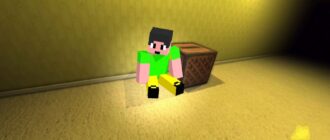
Steal a Brainrot as performed by the Maxx Storm channel — the channel server’s mechanic, inspired by the Roblox game Steal a Brainrot: a conveyor with brainrots, passive income and stealing between bases. In the fresh episodes Max reached the rituals and the rarest finds of the conveyor, including the pink 67 from the episode title — the peak for which the crew is ready to steal from friends without stopping. The rubric is addictive, brazenly and honestly: you decide yourself whether to grow a business or dismantle someone else’s. We’ll break down by parts: how a round works, what the income rests on, which rituals and rare brainrots appeared in the episodes and how stealing is done here.
The rubric’s point: the conveyor, the base and stealing
You buy brainrots off the conveyor, place them on your base, and each brings coins per second. The base opens and closes on a timer: while it’s open, any player can come and drag a brainrot away. A round is limited in time — in one episode the game lasted twenty-five minutes because the author decided not to stretch the viewing. The last five minutes turn into a total robbery: you finish up, sell everything extra and hold on to your balance. On the conveyor secrets periodically come out — the most valuable brainrots, for which the crew jumps off the base, and whoever manages to outbid first is the tough one.
The mechanics: income, items and events
- The second brainrot on the base launches the income chain: in the episodes the figure grew from tens to several thousand coins per second.
- Items from the shop change the picture: the combo spring the author calls an imba, the disco bomb, the speed spring and the “hand”, with which it’s easier to fend off raids.
- Invisibility helps you slip onto someone else’s base and leave with the trophy unnoticed.
- Events like a rain of tacos with mutations shake up the round; by design a song plays for the event, so sometimes you have to improvise.
- Lucky blocks the author openly doesn’t trust, but keeps pulling to open them again and again.
- Other people’s lags are a mechanic too: when the opponent “freezes”, Max’s active stealing phase begins.
Rituals and the rarest brainrots
The episode about the new ritual opens with a spell on Cappuccino Assassino — the rubric’s canonical greeting. Through the conveyor in different episodes went Noobini Pizzanini, Tripetrope, Lirilí Larila, Shampanzini Bananini, Boneca Ambalabu, Tralalela Tralala, the giraffe Celestia, dul-dul-dul and Tung Tung Tung Sahur, and the rarest like the pink 67 count as the collection’s peak. In the episode about the three rarest, Max’s final balance reached one point eight million — a record result of that round against Kumys’s hundred and twenty thousand. A separate storyline is the thirty-minute challenge: whoever earns more coins is the tough one, and whoever loses is a beaver. Max pretended to lag behind the whole argument, hid his real balance and in the end beat Lyokha without options.
Tactics: how people steal here
- Outbid the brainrot right during the opponent’s purchase — the author calls it the meanest trick of the conveyor.
- Stealing pays when the victim’s base is open and stocked with good stuff; after the base closes the path is closed.
- Buy quietly and pretend to be poor: in the challenge it was exactly the hidden balance that decided the argument.
- Gift brainrots to allies — Max gave Lirilí Larila to Grepa “for faithful service”, so his business would take off.
- At the end of the round sell everything to the last: unsold coffee and ores simply burn in the finale.
- Remember the phrase “crook, don’t steal”: half the rubric’s negotiations rest on it.
Where to start watching
Start with the basic breakdown — the brainrot rules explain the conveyor, bases and stealing from scratch. Then watch the piece about brainrot farms to understand who the income rests on. The general map of rubrics and the team roster is handy to keep at hand on the page of the Maxx Storm channel. The viewing order within the rubric is best kept by dates: first the rituals, then the three rarest, then the thirty-minute argument.
Assemble a starter set of cheap brainrots and don’t expand the base ahead of time: the second brainrot opens the income chain, so first grow the quantity, then the quality. Buy items for the role: the speed spring for raids, the “hand” for defense, the combo spring for saving. Keep the rituals as a trump card — summon the rare ones only when the base is closed and the income is stable. Build the stealing timings off other people’s timers: during someone else’s open base you’re at risk too, so strike like lightning. And the episode’s final rule: five minutes before the end sell everything — victory is counted in coins, not in the beauty of the collection.